
For years, Artificial Intelligence existed mostly on our screens. AI wrote emails, generated images, answered questions, analyzed data, and helped businesses automate digital tasks. But a new era has arrived. AI is no longer limited to computers and smartphones—it is entering the physical world.
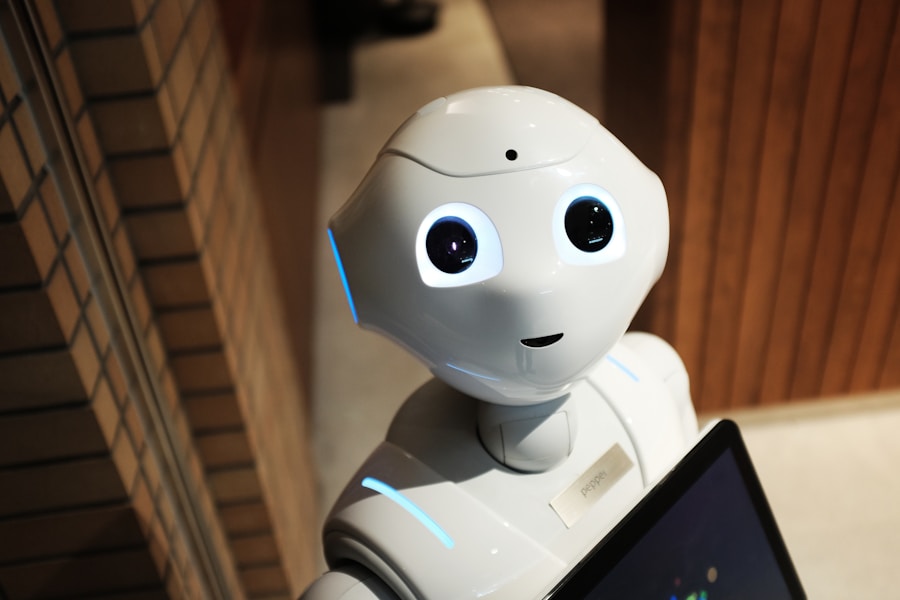
Welcome to the age of Physical AI, where robots, autonomous drones, self-driving machines, and intelligent factory systems can perceive their surroundings, make decisions, and perform real-world tasks with minimal human intervention. What once seemed like science fiction is quickly becoming part of everyday business and industry.
From warehouses and hospitals to farms and construction sites, Physical AI is transforming how work gets done. As AI models become more powerful and robotics hardware becomes more affordable, businesses of every size are beginning to explore how intelligent machines can improve productivity, safety, and efficiency.
What Is Physical AI?
Physical AI refers to artificial intelligence that interacts directly with the physical world through machines such as robots, drones, autonomous vehicles, and industrial equipment.
Unlike traditional AI, which operates entirely in software, Physical AI combines intelligent decision-making with sensors, cameras, motors, and robotics to perform real-world actions.
A Physical AI system can:
• Understand its surroundings
• Detect objects and people
• Make real-time decisions
• Navigate changing environments
• Complete physical tasks autonomously
Instead of simply answering questions, these AI-powered machines can move, inspect, transport, build, and assist people in ways that were impossible just a few years ago.
Why Physical AI Is Growing So Quickly
Several technologies have matured at the same time, making Physical AI practical for businesses.
Modern AI models can process information faster, cameras and sensors have become more accurate, cloud computing provides enormous processing power, and robotics hardware has become significantly less expensive.
This combination allows machines to understand complex environments and react almost instantly.
As a result, industries that once relied entirely on human labor are beginning to automate repetitive, dangerous, and time-consuming tasks.
Smarter Robots Are Entering the Workplace
Industrial robots have existed for decades, but they traditionally performed repetitive tasks inside carefully controlled environments.
Today's AI-powered robots are far more adaptable.
Modern robots can:
• Sort packages
• Assemble products
• Inspect equipment
• Move inventory
• Assist workers safely
Rather than replacing employees entirely, many businesses use collaborative robots—often called cobots—that work alongside humans to increase productivity while reducing physical strain.
Drones Are Becoming Intelligent Workers
Drones are no longer limited to aerial photography.
Powered by AI, modern drones can inspect infrastructure, monitor crops, survey construction sites, and even assist emergency responders.
AI enables drones to recognize objects, avoid obstacles, follow predefined routes, and make navigation decisions without constant human control.
Industries benefiting from AI-powered drones include:
• Agriculture
• Construction
• Mining
• Logistics
• Energy
• Disaster Response
As battery technology improves, intelligent drones are expected to become even more capable.
Factories Are Becoming Autonomous
Manufacturing is experiencing one of the biggest transformations driven by Physical AI.
Smart factories now combine robots, AI vision systems, predictive maintenance, and automated quality control to create highly efficient production lines.
Instead of waiting for machines to fail, AI can predict maintenance needs before problems occur.
This reduces downtime, lowers repair costs, and improves overall productivity.
Healthcare Robots Are Expanding Their Role
Hospitals are beginning to adopt intelligent robots for tasks that improve both efficiency and patient care.
Physical AI can help with:
• Delivering medicines
• Transporting medical supplies
• Assisting surgeries
• Sanitizing hospital rooms
• Monitoring patients
Doctors and nurses remain essential, but AI-powered robotics can reduce repetitive workloads and allow healthcare professionals to spend more time focusing on patient care.
Autonomous Vehicles Continue to Improve
Self-driving technology remains one of the most ambitious applications of Physical AI.
Autonomous vehicles rely on cameras, radar, lidar, GPS, and AI algorithms to understand traffic, recognize pedestrians, and make driving decisions in real time.
Companies such as Tesla, Waymo, and NVIDIA continue investing heavily in autonomous transportation technologies.
While fully autonomous driving is still evolving, significant progress is being made each year.
Warehouses Are Becoming AI-Powered
E-commerce has increased demand for faster order fulfillment.
To keep up, warehouses are deploying intelligent robots that can:
• Pick products
• Organize shelves
• Transport inventory
• Scan barcodes
• Optimize storage
Companies like Amazon have demonstrated how AI-powered robotics can dramatically increase warehouse efficiency while improving order accuracy.
Agriculture Is Getting Smarter
Farmers are increasingly using Physical AI to improve crop production and reduce waste.
Modern agricultural machines can analyze soil conditions, identify weeds, monitor plant health, and apply fertilizer only where needed.
AI-powered tractors and autonomous farming equipment help reduce costs while improving sustainability.
Precision agriculture is becoming one of the fastest-growing applications of intelligent robotics.
The Business Impact of Physical AI
Businesses adopting Physical AI are seeing benefits beyond simple automation.
Some of the biggest advantages include:
• Higher productivity
• Lower operating costs
• Improved workplace safety
• Faster production
• Better quality control
• More accurate inspections
Rather than replacing every employee, many organizations are using AI to eliminate repetitive work while allowing people to focus on creativity, strategy, and customer relationships.
Challenges Still Remain
Despite rapid progress, Physical AI still faces several challenges.
Real-world environments are unpredictable, making physical tasks much more complex than digital ones.
Developers continue working to improve:
• Safety
• Reliability
• Battery life
• Decision-making accuracy
• Human-robot collaboration
Governments and technology companies are also working on regulations that ensure AI-powered machines operate safely and responsibly.
Skills That Will Become More Valuable
As Physical AI becomes more common, demand is growing for professionals who understand robotics, automation, and AI systems.
Some of the fastest-growing skills include:
• Robotics Engineering
• AI Development
• Machine Vision
• Automation Design
• Drone Operations
• Industrial IoT
At the same time, human abilities such as creativity, leadership, communication, and strategic thinking will remain essential because machines still depend on people to define goals and solve complex problems.
The Future Is Moving Beyond Screens
For years, Artificial Intelligence transformed digital work. Now it's transforming physical work as well.
Robots are becoming more adaptable, drones are becoming more autonomous, factories are becoming smarter, and intelligent machines are beginning to assist people across nearly every major industry.
Physical AI isn't about replacing humans—it's about extending human capabilities. Businesses that understand how to combine skilled employees with intelligent machines will likely become the most productive organizations of the next decade.
The AI revolution is no longer confined to software. It has stepped into the real world, and its impact is only beginning. Over the next few years, Physical AI may become as common in workplaces as computers and smartphones are today, opening the door to a new generation of innovation, automation, and business growth.